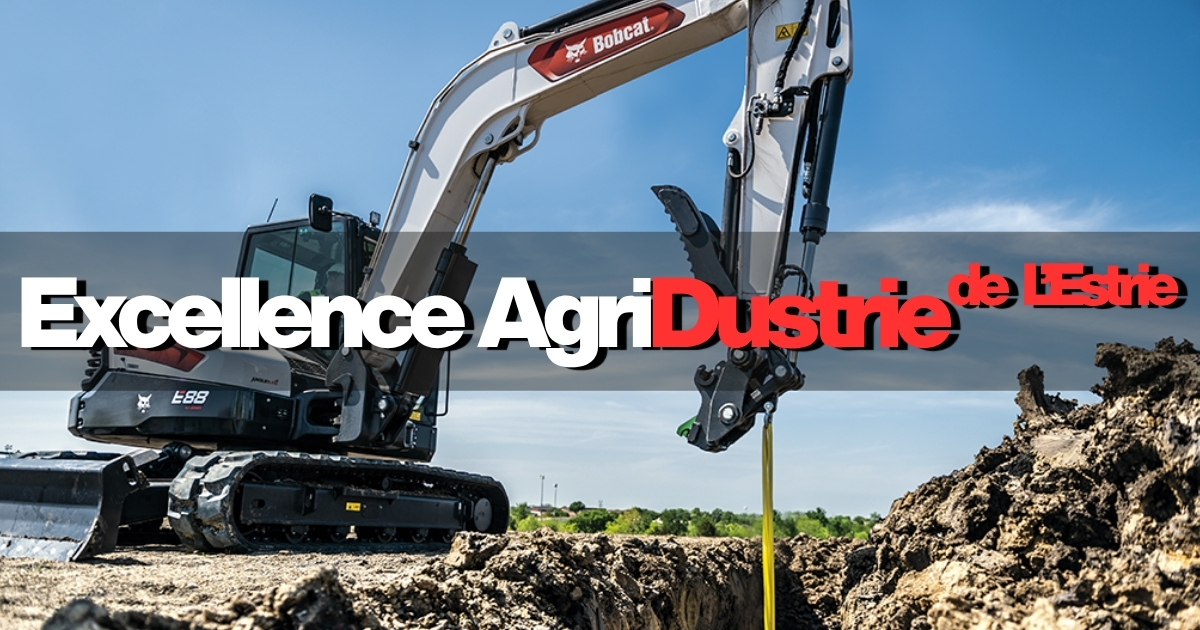
Excavation work today requires more than just digging power. Job sites demand precision, efficiency, and reliability to meet tight deadlines and increasing project complexity.
From trenching and foundation work to landscaping and utility installation, operators must handle a variety of tasks while maintaining accuracy and minimizing downtime. Choosing the right excavator directly impacts job site performance and overall project success.
An excavator that lacks precision slows progress. One that consumes excessive fuel increases operating costs. And unreliable equipment leads to costly delays. The right machine must balance all key factors — performance, efficiency, and durability.
Precision is essential in excavation work, especially in confined spaces or near existing structures. A well-designed excavator allows operators to perform controlled movements, reducing rework and improving overall efficiency.
Accurate digging and positioning help:
Machines built for precision enable operators to complete tasks faster while maintaining high-quality results.
Fuel consumption is a major factor in equipment operating costs. Efficient excavators are designed to maximize output while minimizing fuel usage, helping contractors control expenses over time.
Modern excavators provide:
Improving fuel efficiency not only reduces expenses but also allows for longer operation periods without interruption, increasing daily productivity.
Excavators operate in harsh environments — from rocky terrain to muddy construction zones. Durability is critical to ensure consistent performance without frequent breakdowns.
Reliable machines are built to handle:
Durable equipment reduces maintenance frequency and prevents unexpected downtime, allowing projects to stay on schedule.
A versatile excavator can handle a wide range of applications, reducing the need for multiple machines on-site. With the right attachments and capabilities, one unit can support various tasks.
Common applications include:
This flexibility improves workflow efficiency and allows operators to adapt quickly to changing job requirements.
Selecting the right excavator is not just about size or power — it’s about choosing equipment that delivers consistent performance across all aspects of the job.
Key advantages include:
In a competitive industry, these factors directly impact profitability and job site performance.
Excavation work requires equipment that combines precision, efficiency, and durability. The right excavator allows operators to work accurately, reduce costs, and maintain consistent performance across demanding tasks.
By investing in equipment designed for modern job site challenges, contractors can improve workflow, minimize downtime, and achieve better results on every project.